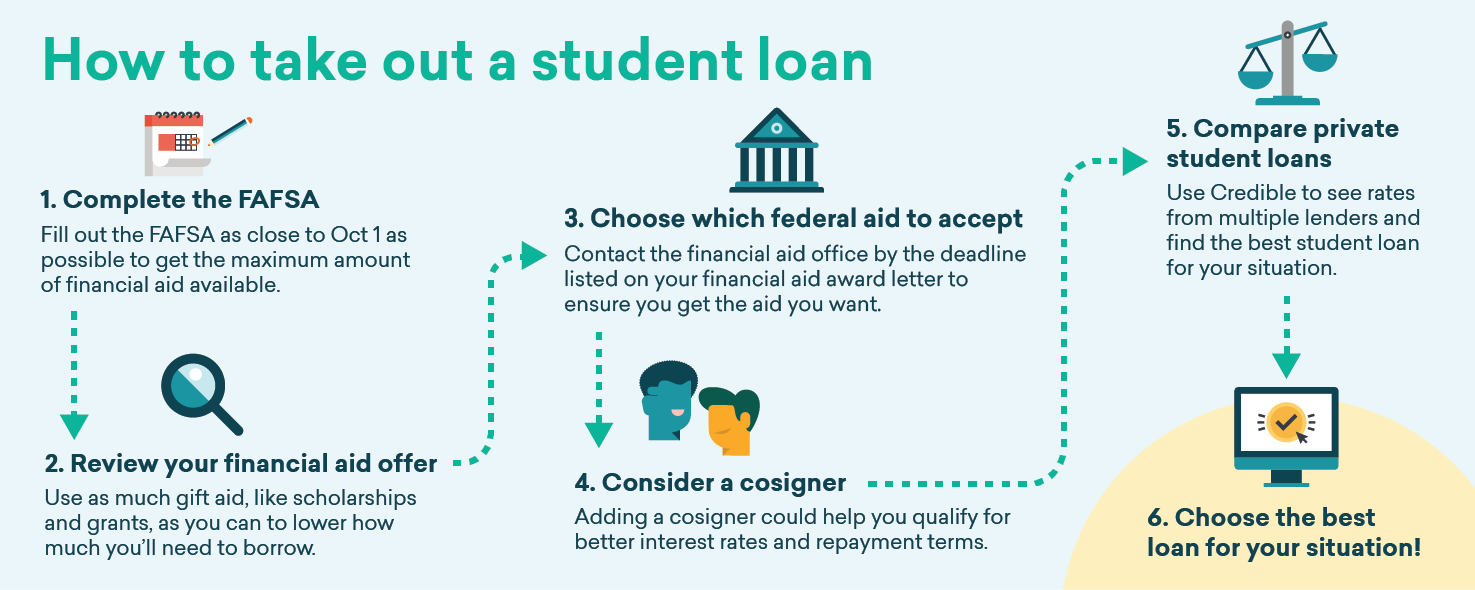
Private student loans can often become a burden for many borrowers, with high interest rates and inflexible repayment options. If you find yourself struggling to repay your private student loan, it's important to explore various strategies to alleviate the financial stress. In this comprehensive guide, we will discuss the steps you can take to get out of a private student loan and regain control of your financial future.
Before delving into the solutions, it's crucial to understand the nature of private student loans. Unlike federal student loans, private loans are offered by financial institutions and have different terms and conditions. These loans often lack flexible repayment options, forgiveness programs, and income-driven repayment plans, making them more challenging to manage. However, with careful planning and the right approach, you can find ways to overcome this financial obstacle.
Evaluate Your Current Loan Terms and Conditions
Understanding the terms and conditions of your private student loan is the first step towards finding a solution. Start by reviewing your loan agreement and familiarize yourself with the interest rates, repayment terms, and any hidden fees. Pay close attention to the fine print and any clauses that may impact your ability to repay the loan effectively.
Identify Interest Rates and Their Impact
Interest rates play a crucial role in determining the overall cost of your private student loan. Take the time to understand whether your loan has a fixed or variable interest rate. Fixed rates remain the same throughout the loan term, while variable rates can fluctuate with the market. It's important to evaluate the impact of interest rates on your monthly payments and the total amount you will repay over time.
Uncover Any Hidden Fees
Some private student loans may come with hidden fees that can significantly increase the overall cost of your loan. These fees might include origination fees, late payment fees, or prepayment penalties. Carefully review your loan agreement and contact your lender to clarify any questions you may have about these fees. Being aware of these additional costs will allow you to plan your repayment strategy more effectively.
Explore Refinancing and Consolidation Options
If your current loan terms are not favorable, refinancing or consolidating your private student loans may be a viable solution. Refinancing involves taking out a new loan with better terms to pay off your existing loan, while consolidation combines multiple loans into one. Both options have the potential to lower your interest rates, reduce your monthly payments, and simplify your repayment process.
Weigh the Pros and Cons of Refinancing
Refinancing can be an effective strategy to secure a lower interest rate, potentially saving you a significant amount of money over the life of your loan. However, it's important to consider the potential downsides as well. Refinancing may result in the loss of certain benefits associated with your original loan, such as deferment or forbearance options. Additionally, qualifying for refinancing may require a good credit score and a stable income.
Understand the Benefits of Loan Consolidation
Consolidating your private student loans can simplify your repayment process by combining multiple loans into a single loan with one monthly payment. This can make it easier to manage your finances and keep track of your loan progress. Moreover, consolidation may also allow you to secure a lower interest rate and potentially reduce your monthly payments. However, it's important to carefully weigh the benefits against any potential drawbacks, such as extending the repayment term and potentially paying more interest over time.
Consider Negotiating with Your Lender
When facing financial difficulties, it's worth exploring the possibility of negotiating with your lender to modify your loan terms. While not all lenders may be open to negotiation, it's still worth reaching out and discussing your situation. Here are a few potential areas to focus on when negotiating:
Seek Lower Interest Rates
High interest rates can significantly increase the cost of your loan and make it more challenging to repay. Contact your lender to inquire about the possibility of obtaining a lower interest rate. Explain your financial situation and provide any supporting documentation that demonstrates your need for a rate reduction. Emphasize your commitment to repaying the loan and your willingness to explore alternative repayment options.
Extend the Repayment Period
If your current monthly payments are unmanageable, consider negotiating an extension of the repayment period. By spreading out your payments over a longer period, you can reduce the immediate financial burden. However, keep in mind that extending the repayment period may increase the total amount of interest you pay over time. Weigh the pros and cons carefully before making a decision.
Explore Alternative Payment Options
Sometimes lenders offer alternative payment options for borrowers facing financial hardship. These options may include temporary reduced payments, interest-only payments, or even a brief suspension of payments. Contact your lender to inquire about these possibilities and provide any necessary documentation to support your request. Some lenders may require you to complete a formal application to be considered for alternative payment arrangements.
Seek Assistance from Loan Forgiveness Programs
While private student loans generally do not offer the same forgiveness options as federal loans, there may still be programs available for specific professions or individuals experiencing financial hardship. Here are a few programs to explore:
Public Service Loan Forgiveness (PSLF)
PSLF is a federal program that forgives the remaining balance on Direct Loans after making 120 qualifying payments while working full-time for a qualifying employer. While private student loans are not eligible for PSLF, individuals with both federal and private loans may consider consolidating their federal loans separately to make them eligible for PSLF. This way, they can focus on repaying their private student loans more effectively.
Loan Forgiveness for Teachers
Teachers may be eligible for loan forgiveness or cancellation programs specific to their profession. These programs aim to alleviate the financial burden faced by teachers in high-needs schools or those teaching in critical subject areas. Research and explore the various forgiveness programs available to teachers in your state or district to determine if you qualify.
Financial Hardship Programs
Some private lenders may offer financial hardship programs to borrowers experiencing financial difficulties. These programs may provide temporary relief by reducing or suspending payments for a specified period. Contact your lender to inquire about any available programs and determine if you meet their eligibility criteria.
Understand Your Rights as a Borrower
It's essential to be aware of your rights as a borrower, as this knowledge can help you navigate the repayment process and protect yourself from unfair practices. Here are some key rights and protections provided by consumer laws:
Right to Information
As a borrower, you have the right to receive clear and accurate information about your loan terms, repayment options, and any changes made to your loan agreement. If you have questions or concerns, contact your lender for clarification.
Fair Debt Collection Practices Act (FDCPA)
The FDCPA sets guidelines that debt collectors must follow when attempting to collect debts. If you believe a debt collector is engaging in unfair, deceptive, or abusive practices, you have the right to file a complaint with the Consumer Financial Protection Bureau (CFPB) or take legal action if necessary.
Consumer Financial Protection Bureau (CFPB)
The CFPB is a government agency dedicated to protecting consumers in the financial marketplace. The bureau provides resources, information, and assistance to borrowers facing issues with their student loans. Visit the CFPB website to learn more about your rights and access helpful tools and resources.
Explore Income-Driven Repayment Plans
While income-driven repayment plans are typically associated with federal student loans, some private lenders may offer similar options. These plans adjust your monthly payments based on your income and family size, making them more manageable. Although they may be less common for private loans, it's worth exploring this possibility with your lender.
Contact Your Lender
Reach out to your lender and inquire about the availability of income-driven repayment plans for private student loans. Explain your financial situation and provide any necessary documentation to support your request. While not all lenders may offer this option, it's worth exploring to determine if it can provide some relief.
Negotiate a Temporary Reduced Payment
If an income-driven repayment plan is not available, consider negotiating a temporary reduced payment based on your current income. Provide your lender with supporting documentation, such as pay stubs or tax returns, to demonstrate your financial situation. Temporary reduced payments can help you manage your finances until your income improves.
Seek Financial Counseling
Financial counseling can provide valuable guidance and support when dealing with private student loans. Here are some benefits of seeking professional assistance:
Personalized Debt Management Plan
Financial counselors can help you create a personalized debt management plan tailored to your specific financial situation. They will analyze your income, expenses, and debt obligations to develop a strategy that allows you to make progress towards paying off your private student loans.
Budgeting and Financial Planning
Financial counselors can help you create a budget that prioritizes your loan payments while still meeting your other financial obligations. They can provide tips and strategies for managing your expenses, increasing your income, and saving money.
Exploration of Alternative Repayment Strategies
Financial counselors can also help you explore alternative repayment strategies specific to your situation. They may have insights into programs, resources, or options that you may not be aware of. Their expertise can help you navigate the complexities of dealing with private student loans and find the best path forward.
Consider Bankruptcy as a Last Resort
Bankruptcy should be considered as a last resort due to its long-term consequences. However, in extreme cases where all other options have been exhausted and your financial situation is dire, it may be worth exploring. Here are a few key points to consider:
Chapter 7 Bankruptcy
Chapter 7 bankruptcy, also known as liquidation bankruptcy, involves the liquidation of your assets to pay off your debts. Private student loans are generally not dischargeable through bankruptcy, but in rare cases, you may be able to prove undue hardship and have your loan discharged. Consult with a bankruptcy attorney to assess your eligibility and navigate the complex legal process.
Chapter 13 Bankruptcy
Chapter 13 bankruptcy allows you to restructure your debts and create a repayment plan over a three to five-year period. While private student loans cannot be discharged, including them in a Chapter 13 repayment plan can provide you with some relief by consolidating your debts and making them more manageable.
Impact of Bankruptcy
It's important to understand that bankruptcy has long-term consequences on your credit and financial standing. It can negatively impact your ability to access credit, rent an apartment, or secure employment in certain industries. Before considering bankruptcy, consult with a bankruptcy attorney to fully understand the potential implications and explore all other options.
Avoid Common Mistakes and Scams
When dealing with private student loans, it's crucial to be aware of common mistakes and scams that can exacerbate your financial situation. Here are some tips to protect yourself:
Research and Verify Information
Before taking any action or making decisions regarding your private student loan, conduct thorough research and verify the information you receive. Be cautious of offers or promises that seem too good to be true and always double-check the credibility of the sources.
Avoid Debt Relief Scams
Be wary of companies that promise to eliminate or drastically reduce your private student loan debt for a fee. These debt relief scams often prey on vulnerable individuals and can leave you in a worse financial situation. Always research the company and check for reviews or complaints before engaging their services.
Stay Informed about Repayment Options
Keep yourself informed about potential changes in repayment options, loan forgiveness programs, or any new regulations that may impact your private student loans. Regularly check the websites of reputable sources such as the Department of Education and the Consumer Financial Protection Bureau for updates.
Stay Persistent and Motivated
Resolving your private student loan situation requires persistence, discipline, and a positive mindset. Here are a few tips to help you stay on track:
Set Clear Goals and Milestones
Define your financial goals and create milestones along the way. Whether it's paying off a certain percentage of your loan or achieving a specific monthly payment amount, setting achievable goals can help you stay motivated and measure your progress.
Celebrate Small Victories
Recognize and celebrate each milestone you achieve in your journey to get out of your private student loan. Reward yourself for meeting your goals, whether it's treating yourself to a small indulgence or taking a moment to acknowledge your hard work and determination.
Seek Support from Friends and Family
Share your financial goals and challenges with trusted friends and family members who can provide support and encouragement along the way. Having a support system can make the journey less daunting and help you stay motivated during challenging times.
In conclusion, escaping the burden of a private student loan may seem daunting, but it is not impossible. By thoroughly understanding your loan terms, exploring various options, seeking assistance when needed, and staying persistent, you can pave the way towards financial freedom. Remember, every step you take towards resolving your private student loan is a step closer to a brighter future.
Comments
Post a Comment