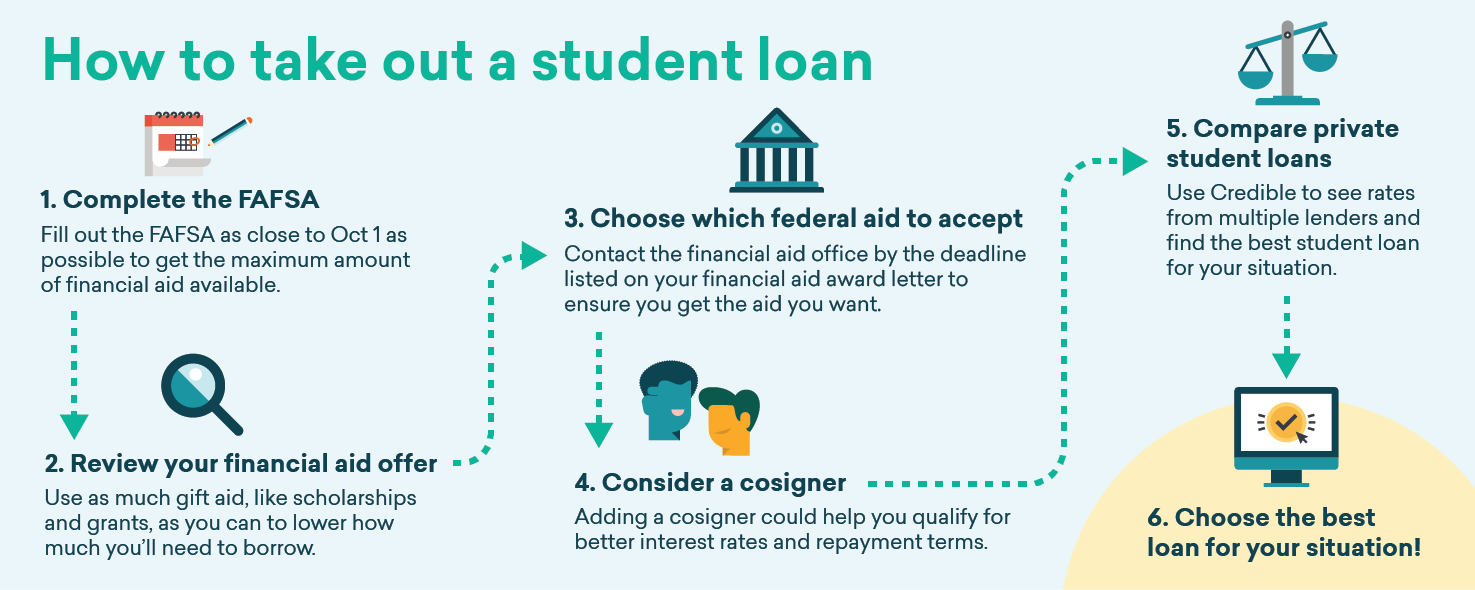
Private student loans can often be a burden for many individuals, especially with the rising costs of education. However, there are several strategies and options available to help you get out of private student loans and regain your financial freedom. In this comprehensive guide, we will explore various methods and resources that can assist you in tackling your debt, ultimately paving the way towards a debt-free future.
Before we delve into the details, it's important to understand that getting out of private student loans requires careful planning and persistence. It may not be an overnight solution, but with the right approach and determination, you can take control of your financial situation and work towards a brighter future.
Assess Your Loan Situation
When it comes to getting out of private student loans, the first step is to assess your loan situation thoroughly. Begin by gathering all the necessary information about your loans, such as interest rates, repayment terms, and outstanding balances. This will give you a clear understanding of the specifics of your loans and help you make informed decisions about how to proceed.
Calculate Your Total Debt
Start by calculating your total debt, including both the principal amount and the accumulated interest. This will give you a realistic picture of how much you owe and the magnitude of the challenge ahead. Knowing your exact debt amount is crucial for developing a repayment strategy.
Review the Terms and Conditions
Take the time to review the terms and conditions of your private student loans. Familiarize yourself with the repayment schedule, interest rates, and any additional fees or penalties that may apply. Understanding the fine print will help you identify any potential areas for negotiation or alternative repayment options.
Explore Refinancing Options
Refinancing your private student loans can be a viable option if you're looking to lower your interest rates or monthly payments. Research and compare different lenders to find the best refinancing options that suit your needs. Keep in mind that refinancing may result in a longer repayment period, so carefully consider the pros and cons before making a decision.
Evaluate Your Creditworthiness
Before applying for refinancing, it's essential to evaluate your creditworthiness. Lenders typically consider your credit score and income when determining your eligibility for refinancing. Request a copy of your credit report and address any discrepancies or negative marks that may impact your creditworthiness.
Compare Interest Rates
One of the main advantages of refinancing is the potential to secure a lower interest rate compared to your existing loans. Research different lenders and compare their interest rates, terms, and repayment options. Keep in mind that obtaining a lower interest rate can save you significant amounts of money in the long run.
Weigh the Pros and Cons
When considering refinancing, it's important to weigh the pros and cons. While lower interest rates and monthly payments may be attractive, be mindful of the potential drawbacks. For example, extending your repayment term may result in paying more interest over time. Carefully evaluate the impact of refinancing on your overall financial situation before making a decision.
Utilize Loan Forgiveness Programs
While private student loans typically don't offer forgiveness programs, it's worth exploring other loan forgiveness options that may be available to you. Look into federal loan forgiveness programs or state-specific initiatives that provide loan forgiveness for individuals working in certain professions or underserved areas.
Research Federal Loan Forgiveness Programs
If you have any federal student loans in addition to your private loans, research the various federal loan forgiveness programs available. These programs, such as Public Service Loan Forgiveness (PSLF) or Teacher Loan Forgiveness, may offer opportunities to have a portion of your loans forgiven after meeting specific criteria.
Check for State-Specific Loan Forgiveness Programs
Some states offer loan forgiveness programs for individuals working in specific fields, such as healthcare, education, or public service. Research the loan forgiveness options available in your state and determine if you qualify for any of these programs. These programs can provide significant relief by reducing the overall burden of your student loans.
Explore Employer Assistance Programs
Some employers offer loan assistance programs as part of their benefits package. These programs may provide financial incentives or assistance towards paying off your student loans. Check with your employer to see if they offer any such programs and understand the eligibility requirements and benefits they provide.
Prioritize Repayment and Budgeting
Creating a realistic budget and prioritizing loan repayment is crucial when trying to get out of private student loans. Evaluate your expenses and income, and identify areas where you can cut back or save money. By allocating more funds towards your loan payments, you can accelerate your repayment and reduce the overall interest you'll pay in the long run.
Analyze Your Monthly Expenses
Take a close look at your monthly expenses and identify areas where you can make cuts or adjustments. This may involve reducing discretionary spending, renegotiating bills or subscriptions, or finding creative ways to save money on everyday expenses. Every dollar saved can be redirected towards paying off your student loans.
Create a Realistic Budget
Develop a comprehensive budget that aligns with your financial goals and priorities. Allocate a specific portion of your income towards loan repayment, ensuring that it's a manageable amount while still making meaningful progress. Sticking to a budget will help you stay on track and avoid unnecessary expenses that can hinder your progress.
Consider Additional Income Sources
If your current income is not sufficient to accelerate your loan repayment, consider exploring additional sources of income. This could involve taking up a part-time job, freelancing, or monetizing any specific skills or talents you possess. The extra income can be dedicated towards paying off your loans faster.
Consider Loan Consolidation
Loan consolidation involves combining multiple loans into a single loan with a potentially lower interest rate. This can simplify your repayment process and make it easier to keep track of your loans. However, carefully review the terms and conditions of consolidation offers to ensure that it aligns with your financial goals.
Evaluate the Benefits of Consolidation
When considering loan consolidation, evaluate the potential benefits it offers. These may include a single monthly payment, a potentially lower interest rate, and a more streamlined repayment process. Consolidation can make it easier to manage your loans and potentially save money on interest payments over time.
Review the Terms and Conditions of Consolidation Offers
Before proceeding with loan consolidation, carefully review the terms and conditions of the offers you receive. Pay attention to the interest rate, repayment term, and any fees or penalties associated with the consolidation. Ensure that the terms align with your financial goals and that you fully understand the implications of the consolidation.
Consider the Impact on Loan Benefits
If you have federal student loans, consolidating them into a private loan may result in losing certain benefits, such as income-driven repayment plans or loan forgiveness options. Evaluate the impact of consolidation on your eligibility for these programs and determine if the potential benefits of consolidation outweigh the loss of federal loan benefits.
Seek Professional Assistance
If you're feeling overwhelmed or unsure about the best approach to tackle your private student loans, consider seeking professional assistance. Financial advisors or credit counselors can provide valuable guidance and help you navigate through the complexities of your loan situation.
Consult with a Financial Advisor
A financial advisor specializing in student loan debt can provide expert advice tailored to your unique situation. They can help you develop a customized repayment strategy, explore refinancing options, and guide you towards the most effective approaches to manage your student loans. A financial advisor's expertise can be invaluable in helping you make informed decisions.
Work with a Credit Counselor
Credit counselors are trained professionals who can provide guidance on managing debt and improving your overall financial well-being. They can assess your financial situation, develop a budget, and provide strategies to tackle your private student loans. Credit counselors can also negotiate with lenders on your behalf and help you explore alternative repayment options.
Explore Income-Driven Repayment Plans
Income-driven repayment plans can be an option for federal student loans, but they are generally not available for private loans. However, it's still worth exploring these plans if you have federal loans as they can help free up some funds that can be redirected towards paying off your private loans.
Understand the Basics of Income-Driven Repayment Plans
Income-driven repayment plans adjust your monthly loan payments based on your income and family size. These plans can help make your federal loan payments more manageable by capping your monthly payment at a percentage of your income. Familiarize yourself with the various income-driven repayment options available and determine if they align with your financial situation.
Apply for Income-Driven Repayment Plans
If you qualify for an income-driven repayment plan, gather all the necessary documentation and apply through the official channels. The application process typically requires submitting detailed financial information, such as tax returns and income statements. Once approved, your monthly payments will be recalculated based on your income, potentially freeing up funds to allocate towards your private student loans.
Redirect the Savings towards Private Loans
If you're able to lower your federal loanpayments through an income-driven repayment plan, consider redirecting the savings towards your private loans. While income-driven repayment plans may not directly impact your private loan payments, the reduced monthly obligation can provide you with extra funds that can be allocated towards paying off your private loans faster. This strategy allows you to make progress on both fronts and accelerate your journey towards becoming debt-free.
Negotiate with Lenders
Don't hesitate to reach out to your lenders and explore the possibility of negotiating more favorable loan terms. While they may not always be willing to accommodate your requests, it's worth a try. By negotiating with your lenders, you may be able to secure a lower interest rate, a temporary payment suspension, or even a settlement offer that reduces the overall amount you owe.
Contact Your Lenders
Initiate contact with your lenders and express your financial difficulties and concerns. Communicate your willingness to make payments and your desire to find a mutually beneficial solution. Be prepared to provide supporting documentation, such as proof of income or financial hardship, to strengthen your case and demonstrate your commitment to resolving your student loan debt.
Request Lower Interest Rates
When negotiating with your lenders, inquire about the possibility of obtaining a lower interest rate on your private student loans. Lowering the interest rate can significantly reduce the overall amount you'll need to repay, saving you money in the long run. Highlight your responsible payment history and emphasize your commitment to fulfilling your financial obligations.
Explore Temporary Payment Suspension
If you're facing temporary financial hardship, consider requesting a temporary payment suspension or forbearance from your lenders. This can provide you with some relief by temporarily halting your loan payments or reducing them to a more manageable amount. Make sure to understand the terms and conditions associated with a payment suspension, including any potential impacts on interest accrual.
Consider Debt Settlement or Negotiation
In certain cases, debt settlement or negotiation may be an option to explore. This involves working with your lenders to reach an agreement on a reduced lump-sum payment to settle your debt. While debt settlement may have consequences for your credit score and require a significant upfront payment, it can provide a quicker resolution and potentially reduce the overall amount you owe.
Avoid Defaulting on Your Loans
Defaulting on your private student loans can have severe consequences for your credit score and overall financial well-being. It's crucial to stay on top of your payments and communicate with your lender if you're facing financial hardship. They may be able to offer temporary relief or alternative repayment options to help you navigate through challenging times.
Understand the Consequences of Default
Defaulting on your private student loans can lead to a series of negative consequences. These may include damage to your credit score, increased interest rates, collection efforts, and potential legal action. Familiarize yourself with the specific terms and conditions outlined in your loan agreement to understand the repercussions of defaulting.
Communicate with Your Lender
If you're struggling to make your loan payments, it's essential to reach out to your lender and discuss your situation. Many lenders have programs or options available to assist borrowers facing financial hardship. They may be able to provide temporary forbearance, alternative repayment plans, or other accommodations to help you stay on track and avoid defaulting on your loans.
Explore Repayment Assistance Programs
Some lenders offer repayment assistance programs that can provide relief for borrowers facing financial difficulties. These programs may include income-based repayment plans, interest-only payments, or extended repayment terms. Contact your lender to inquire about any available repayment assistance programs and determine if you qualify to participate.
Stay Persistent and Motivated
Getting out of private student loans is not an easy task, but staying persistent and motivated is crucial. Celebrate small victories along the way and remind yourself of the long-term benefits of becoming debt-free. With dedication and perseverance, you will eventually overcome your student loan burden.
Celebrate Milestones and Progress
Throughout your journey to pay off your private student loans, celebrate milestones and progress you make along the way. Whether it's paying off a significant portion of your debt or achieving a specific financial goal, acknowledge and reward yourself for your hard work and dedication. Recognizing your achievements can provide the motivation you need to continue pushing forward.
Find Support and Accountability
Seek support from family, friends, or online communities who are also striving to get out of student loan debt. Surrounding yourself with like-minded individuals can provide a sense of camaraderie and encouragement. Consider joining support groups or forums where you can share experiences, exchange advice, and find accountability partners to help you stay motivated and accountable throughout your debt repayment journey.
Focus on the Long-Term Benefits
Remind yourself of the long-term benefits of becoming debt-free. Visualize the financial freedom and peace of mind that comes with eliminating your student loan burden. Whether it's the ability to pursue other life goals, save for retirement, or invest in your future, keeping your eyes on the prize will help you stay motivated and focused on achieving your ultimate goal.
In conclusion, freeing yourself from the clutches of private student loans requires careful planning, thoughtful decision-making, and perseverance. By assessing your loan situation, exploring refinancing and forgiveness options, prioritizing repayment, seeking assistance, and staying persistent, you can take control of your financial future and pave the way for a debt-free life. Remember, every step you take towards paying off your loans brings you one step closer to financial freedom.
Comments
Post a Comment