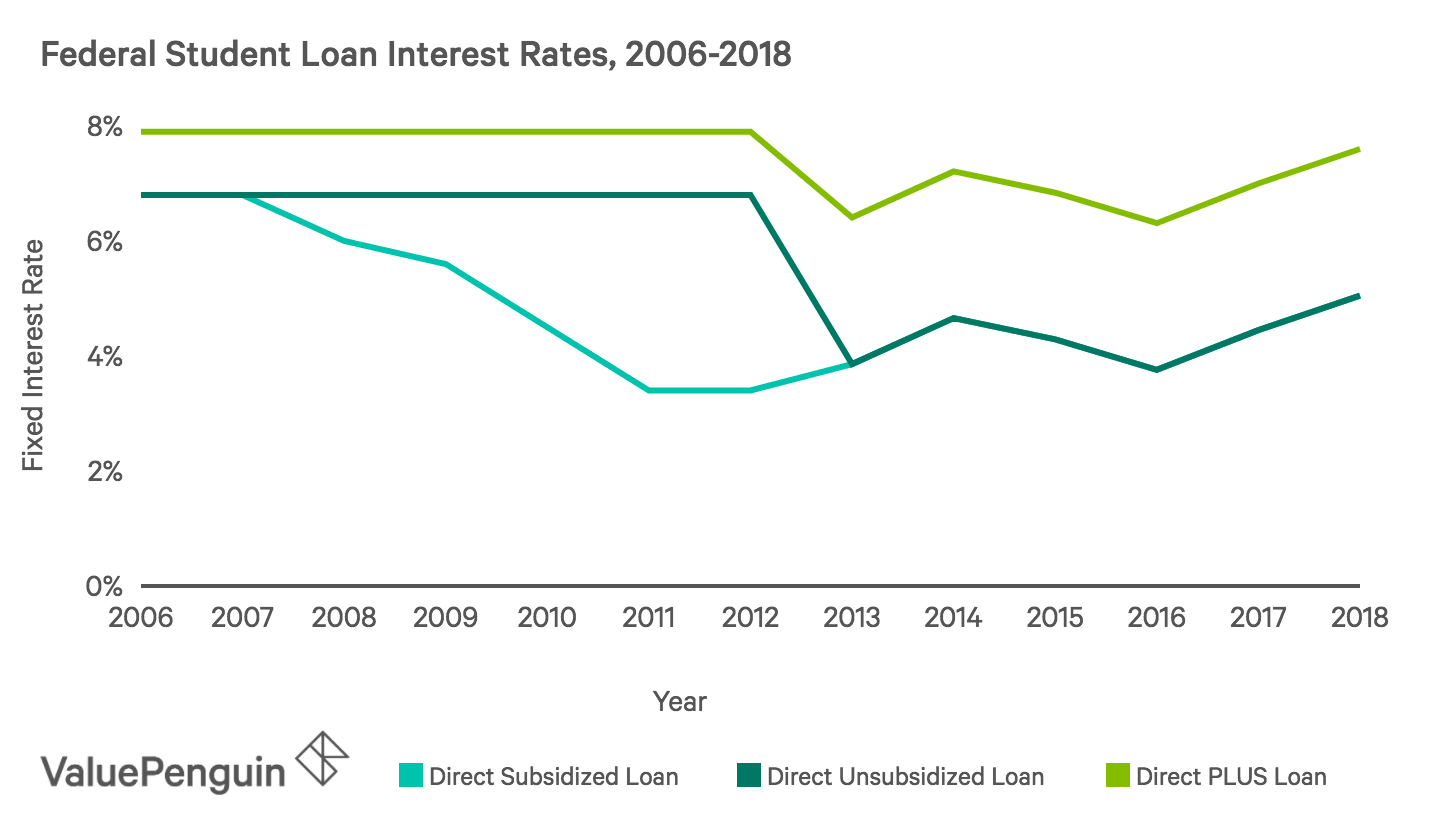
Are you a graduate student looking for affordable financing options to pursue your higher education? Look no further! In this blog article, we will delve into the world of graduate student loans and uncover the secrets behind securing the lowest interest rates available. Whether you are just starting your academic journey or contemplating further studies, this comprehensive guide will provide you with the knowledge and insights you need to make an informed decision.
Graduate student loan rates can vary significantly depending on various factors, such as the lender, your credit score, and the type of loan you choose. Understanding the intricacies of these factors is crucial in order to secure the most favorable loan terms and minimize your financial burden.
Understanding Graduate Student Loans
When it comes to financing your graduate education, understanding the different types of loans available is essential. In this section, we will provide a detailed overview of what graduate student loans are and the purpose they serve. We will explore the key differences between federal and private loans, highlighting the advantages and disadvantages of each. By the end of this session, you will have a clear understanding of the various financing options at your disposal.
Federal Graduate Student Loans
One of the first types of loans to consider is federal graduate student loans. These loans are funded by the government and offer several benefits to borrowers. We will discuss the various federal loan programs, such as Direct Unsubsidized Loans, Direct PLUS Loans, and Perkins Loans. We will explore the eligibility criteria, loan limits, and the application process involved. Understanding the advantages and limitations of federal loans will help you make an informed decision about whether they are the right choice for you.
Private Graduate Student Loans
If federal loans are not sufficient to cover your educational expenses, private loans can bridge the gap. Private graduate student loans are offered by banks, credit unions, and other financial institutions. In this section, we will discuss the advantages and disadvantages of private loans, including factors such as interest rates, repayment terms, and eligibility requirements. We will also provide tips on how to compare lenders and secure the most competitive interest rates.
Loan Types: Fixed vs. Variable Interest Rates
When considering graduate student loans, understanding the difference between fixed and variable interest rates is crucial. Fixed interest rates remain the same throughout the life of the loan, providing stability and predictability in your monthly payments. On the other hand, variable interest rates can fluctuate, potentially resulting in lower or higher payments over time. We will discuss the pros and cons of each type and provide guidance on selecting the most suitable option for your financial situation.
Factors Affecting Graduate Student Loan Rates
While the specific interest rate you receive on your graduate student loan will depend on various factors, understanding these factors can help you secure the lowest rates possible. In this section, we will delve into the key elements that influence graduate student loan rates and provide insights on how to optimize each factor.
Credit Score and Credit History
Your credit score plays a significant role in determining the interest rate you are eligible for. Lenders consider your credit history as an indicator of your creditworthiness and ability to repay the loan. We will discuss how credit scores are calculated, ways to improve your credit score, and strategies to establish a solid credit history. By taking proactive steps to improve your creditworthiness, you can enhance your chances of securing lower interest rates on your graduate student loan.
Loan Term and Loan Amount
The term of your loan and the amount you borrow can also affect the interest rate offered by lenders. Typically, shorter loan terms and smaller loan amounts tend to attract lower interest rates. We will explore the relationship between loan term, loan amount, and interest rates, providing guidance on how to strike the right balance to secure the most favorable rates for your circumstances.
Economic Climate and Market Conditions
The economic climate and market conditions can impact interest rates on graduate student loans. During periods of economic growth and low inflation, interest rates tend to be lower. Conversely, during economic downturns or high inflation, interest rates may rise. We will discuss how to stay informed about the current economic climate and market trends, enabling you to make better decisions regarding the timing of your loan application.
Researching Lenders Offering Low Rates
When it comes to securing the lowest graduate student loan rates, researching and comparing lenders is essential. In this section, we will explore the top lending institutions and financial organizations that offer competitive interest rates for graduate student loans. We will provide tips on how to evaluate and compare lenders, considering factors such as interest rates, fees, customer service, and repayment options. Armed with this knowledge, you will be able to identify the lenders offering the most favorable terms and select the one that suits your needs.
Online Lenders and Loan Marketplaces
With the rise of online lending platforms and loan marketplaces, borrowers now have access to a wide range of lenders at their fingertips. We will discuss the advantages and disadvantages of utilizing online lenders and loan marketplaces when searching for the lowest graduate student loan rates. Additionally, we will provide guidance on how to navigate these platforms effectively and make informed decisions about the lenders you choose to work with.
Local Banks and Credit Unions
Traditional brick-and-mortar banks and credit unions can also be viable options for securing low-interest graduate student loans. These institutions often offer personalized service and may have special programs or incentives for local students. We will discuss the benefits of considering local banks and credit unions, as well as provide tips on how to approach them to negotiate better rates.
Enhancing Your Credit Score for Better Rates
As mentioned earlier, your credit score plays a pivotal role in determining the interest rates you are eligible for on your graduate student loan. In this section, we will provide practical tips and advice on how to improve your credit score, thereby increasing your chances of securing lower rates.
Reviewing Your Credit Report
The first step in improving your credit score is to review your credit report for any errors or discrepancies. We will guide you through the process of obtaining your credit report and highlight the importance of checking it regularly. By identifying and disputing any inaccuracies, you can ensure that your credit score is an accurate reflection of your creditworthiness.
Paying Bills on Time
Consistently paying your bills on time is one of the most effective ways to improve your credit score. We will provide tips and strategies for managing your finances and ensuring timely payments. By demonstrating responsible financial behavior, you can enhance your creditworthiness and qualify for lower interest rates on your graduate student loan.
Reducing Debt and Utilization Ratio
The amount of debt you currently carry and your credit utilization ratio can impact your credit score. We will discuss the importance of managing your debt and provide strategies for reducing your overall debt load. By maintaining a low credit utilization ratio, you can improve your credit score and increase your chances of securing the lowest graduate student loan rates available.
Loan Repayment Strategies
Once you have obtained your graduate student loan, having a repayment plan in place is crucial. In this section, we will explore various strategies to manage and repay your loans efficiently, ensuring that you minimize the financial burden and stay on track with your repayment obligations.
Income-Driven Repayment Plans
Income-driven repayment plans are designed to make your monthly loan payments more manageable based on your income and family size. We will discuss the different income-driven repayment options available for graduate student loans, such as Income-Based Repayment (IBR), Pay As You Earn (PAYE), and Revised Pay As You Earn (REPAYE). Understanding these plans will help you choose the one that aligns with your financial circumstances and goals.
Loan Consolidation and Refinancing
If you have multiple loans, consolidating them into a single loan can simplify your repayment process and potentially lower your interest rate. We will explore the benefits and considerations of loan consolidation and provide guidance on how to go about the consolidation process. Additionally, we will discuss refinancing options and how they can help you secure better interest rates on your graduate student loans.
Loan Forgiveness and Assistance Programs
While repaying your graduate student loans is essential, there are also loan forgiveness and assistance programs specifically aimed at graduate students. In this section, we will explore these programs and discuss their eligibility criteria, application processes, and potential benefits in reducing your overall debt burden.
Public Service Loan Forgiveness (PSLF)
The Public Service Loan Forgiveness program offers loan forgiveness to borrowers who work in qualifying public service jobs. We will provide an overview of the program, including the eligibility requirements and the steps involved in applying for loan forgiveness. Understanding the PSLF program can help you plan your career path strategically and potentially have a portion of your graduate student loans forgiven.
Loan Assistance Programs by Profession
Many professions offer loan assistance programs to attract and retain qualified individuals. These programs provide financial assistance to help repay graduate student loans. We will discuss some of the professions that offer loan assistance programs, such as healthcare, education, and public interest fields. Understanding these programs can help you explore career opportunities that offer additional financial support for your loan repayment.
Tips for Minimizing BorrowingTips for Minimizing Borrowing
While loans are often necessary to fund graduate education, there are strategies to minimize borrowing and reduce your overall debt burden. In this section, we will provide valuable tips on how to limit the amount you need to borrow and explore alternative funding sources.
Seeking Scholarships and Grants
One of the most effective ways to minimize borrowing is to seek out scholarships and grants. These forms of financial aid do not have to be repaid and can significantly reduce your educational expenses. We will discuss various scholarship and grant opportunities available to graduate students and provide guidance on how to search for and apply to these programs.
Researching Assistantship and Fellowship Opportunities
Many universities and academic institutions offer assistantship and fellowship opportunities to graduate students. These positions often provide a stipend or tuition waivers in exchange for research, teaching, or other responsibilities. We will explore the benefits of these opportunities and provide tips on how to find and secure assistantships and fellowships to help offset your educational costs.
Exploring Work-Study Programs
Work-study programs provide part-time employment opportunities for students to earn money while pursuing their studies. These programs are typically available on-campus and can help cover educational expenses without relying solely on loans. We will discuss the advantages of participating in work-study programs and provide guidance on how to find and apply for these opportunities.
Considering Part-Time and Online Programs
Part-time and online programs can offer flexibility in scheduling and allow you to continue working while pursuing your graduate education. By maintaining employment while studying, you can reduce your reliance on loans and minimize the overall amount you need to borrow. We will discuss the benefits of part-time and online programs and provide resources to help you find suitable options.
Staying Informed About Loan Rate Changes
Loan rates can fluctuate based on economic conditions and market trends. Staying informed about potential changes in loan rates is crucial in managing your graduate student loans effectively. In this section, we will discuss how to stay updated on loan rate changes and the steps you can take to adapt to these fluctuations.
Tracking Economic Indicators
Economic indicators, such as the federal funds rate and inflation rates, can provide insights into potential changes in loan rates. We will explain how these indicators influence interest rates and provide resources to help you track them. By staying informed about economic trends, you can anticipate potential rate changes and make informed decisions about your graduate student loans.
Monitoring Lender Notifications
Lenders often notify borrowers about changes in loan rates and terms. It is essential to review any communications from your lender to understand if there are any adjustments to your loan. We will discuss the importance of monitoring lender notifications and provide tips on how to stay organized and keep track of any changes that may affect your loan repayment.
Considering Loan Refinancing Options
If interest rates decrease significantly after you have obtained your graduate student loan, you may want to consider loan refinancing. Refinancing involves obtaining a new loan with better terms to replace your existing loan. We will discuss the advantages and considerations of loan refinancing and provide guidance on how to evaluate if refinancing is a viable option for you.
In conclusion, understanding the nuances of graduate student loans and the factors that influence their interest rates is crucial for any aspiring graduate student. By carefully considering the information shared in this comprehensive guide, you will be equipped with the knowledge to secure the lowest graduate student loan rates available. Make informed decisions, plan wisely, and embark on your academic journey without unnecessary financial stress. Good luck!
Comments
Post a Comment