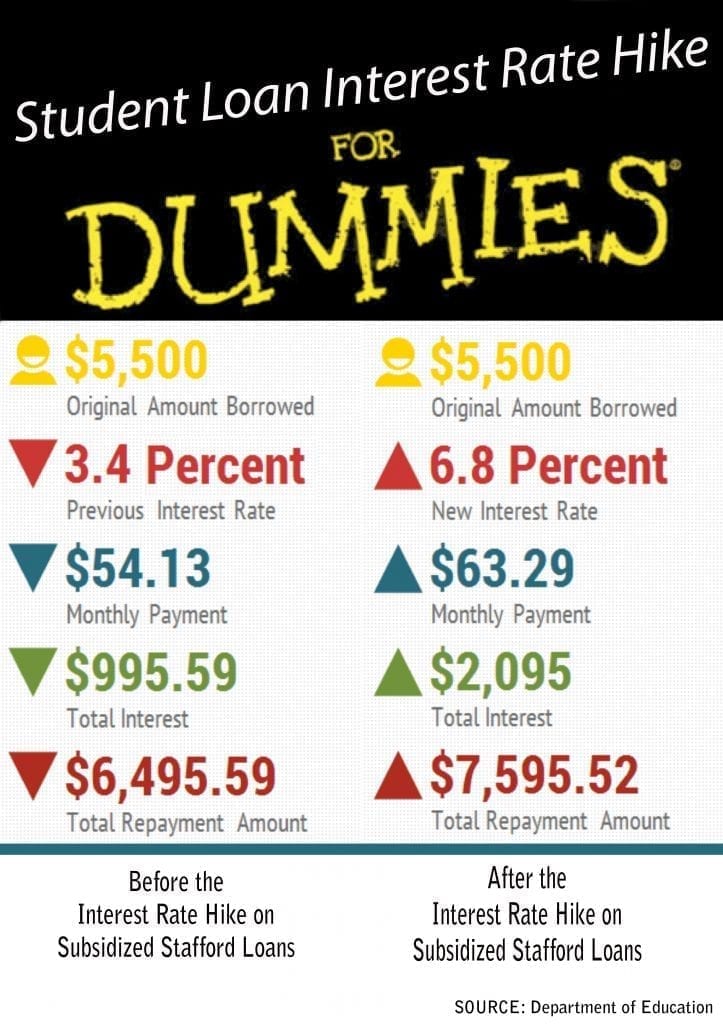
As a graduate student, finding the right financing option for your education can be overwhelming. However, one key factor to consider is the interest rate on your student loan. The interest rate determines how much you'll ultimately pay back in addition to the principal amount. In this blog article, we'll explore the advantages of opting for the lowest interest rate graduate student loans and how they can positively impact your financial future.
By choosing a loan with the lowest interest rate, you can significantly reduce the overall cost of your education. A lower interest rate means that you'll be charged less over the life of the loan, allowing you to save money in the long run. This can make a substantial difference, especially when you consider the potential interest that can accumulate over several years of repayment.
The Importance of Low Interest Rates
Low interest rates play a crucial role in the financial well-being of graduate students. When you secure a loan with a low interest rate, you can avoid excessive debt and minimize the burden of repayment. A lower interest rate translates to lower monthly payments, making it easier for you to manage your finances during and after your studies.
Additionally, low interest rates can significantly reduce the overall amount you repay. With a lower interest rate, less additional money accrues on top of the principal loan amount over time. This means your total repayment amount will be significantly lower compared to loans with higher interest rates. By choosing the lowest interest rate graduate student loan, you are effectively saving money and ensuring a more manageable financial future.
How Low Interest Rates Affect Monthly Payments
One of the primary advantages of securing a loan with a low interest rate is the impact it has on your monthly payments. With a lower interest rate, the amount of interest that is added to your monthly payment decreases. As a result, your monthly payments become more affordable, allowing you to allocate your funds towards other essential expenses or savings.
For example, let's say you have two different graduate student loans: one with a 5% interest rate and another with a 3% interest rate. If both loans have the same principal amount and repayment term, the loan with the lower interest rate will have lower monthly payments. This means you'll have more money available each month to cover other expenses, invest, or save for the future.
The Impact of Low Interest Rates on Total Interest Paid
Another significant advantage of opting for the lowest interest rate graduate student loans is the reduction in the total interest paid over the life of the loan. When you borrow money, you agree to pay back the principal amount along with any interest that accrues over time.
With a higher interest rate, a larger portion of your monthly payment goes towards interest rather than reducing the principal amount. This can result in a longer repayment period and a higher overall cost. However, by securing a loan with a low interest rate, you can minimize the interest portion of your payments, allowing you to pay off the loan faster and ultimately save money on the total interest paid.
The Length of Repayment
Low interest rates can also impact the length of your loan repayment period. When you have a lower interest rate, more of your monthly payment goes towards reducing the principal balance. As a result, you can pay off the loan faster and potentially shorten the repayment period.
For instance, if you have a loan with a high interest rate, a significant portion of your monthly payment may go towards covering the interest rather than reducing the principal balance. This can extend the repayment period, making it take longer to become debt-free. Conversely, with a low interest rate, more of your payment directly reduces the principal, allowing you to pay off the loan more quickly and potentially save years of repayment.
Types of Graduate Student Loans
When considering graduate student loans, it's essential to understand the different types available. The two primary categories are federal loans and private loans. Each has its own interest rate structures and eligibility requirements, which can impact the overall cost of your education.
Federal Graduate Student Loans
Federal graduate student loans are offered by the U.S. Department of Education and are known for their favorable interest rates and repayment options. These loans are typically more accessible and have lower interest rates compared to private loans.
There are several types of federal loans available, including Direct Unsubsidized Loans, Direct Subsidized Loans, and Grad PLUS Loans. The interest rates for these loans are set annually by the federal government and are generally lower than those offered by private lenders. Additionally, federal loans often come with flexible repayment plans and forgiveness options, providing added financial security for graduate students.
Private Graduate Student Loans
Private graduate student loans are offered by banks, credit unions, and other financial institutions. These loans are not backed by the government and typically have higher interest rates compared to federal loans. However, private loans can still offer competitive interest rates depending on factors such as your creditworthiness and the loan term.
Private loans often require a credit check and may require a cosigner if you have limited credit history or a lower credit score. The interest rates for private loans can vary significantly depending on the lender, your credit profile, and prevailing market conditions. It's crucial to shop around and compare offers to secure the lowest interest rate possible.
Federal Graduate Student Loans with Low Interest Rates
When it comes to low interest rates, federal graduate student loans are often the preferred choice for many students. These loans offer several advantages, including fixed interest rates and more forgiving repayment options.
Direct Unsubsidized Loans
The Direct Unsubsidized Loan is a common federal loan option for graduate students. These loans have a fixed interest rate that is typically lower than private loans. For the 2021-2022 academic year, the interest rate for Direct Unsubsidized Loans is set at 5.28% for graduate students. The interest begins accruing as soon as the loan is disbursed, which means you are responsible for paying the accumulated interest throughout the life of the loan.
While the interest rate for Direct Unsubsidized Loans may be higher than some subsidized federal loans, they are still generally more affordable compared to private loans. Additionally, these loans do not require demonstrating financial need, making them accessible to a broader range of graduate students.
Direct Subsidized Loans
Direct Subsidized Loans are available to undergraduate students only, but it's worth mentioning them for comparison purposes. These loans have a fixed interest rate set at 3.73% for the 2021-2022 academic year. The significant advantage of Direct Subsidized Loans is that the government pays the interest while you are enrolled in school at least half-time, during the grace period, and during deferment periods.
Unfortunately, graduate students are not eligible for Direct Subsidized Loans. However, the interest rate for undergraduate students provides a benchmark for understanding the competitive interest rates of federal loans compared to private loans.
Grad PLUS Loans
Graduate students who need additional funds beyond the maximum limits of Direct Unsubsidized Loans can consider Grad PLUS Loans. These loans have a fixed interest rate set at 6.28% for the 2021-2022 academic year. Grad PLUS Loans require a credit check, but they can be a viable option for those who need to bridge the gap between their financial aid package and the total cost of attendance.
While the interest rate for Grad PLUS Loans may be higher than other federal loan options, it is still often more favorable compared to private loans. Additionally, Grad PLUS Loans offer flexible repayment options and the potential for forgiveness programs, making them a valuable resource for graduate students.
Private Graduate Student Loans with Competitive Interest Rates
While federal loans are generally preferred due to their lower interest rates and borrower protections, private student loans can also offer competitive interest rates under certain circumstances. Private lenders determine interest rates based on various factors, including your creditworthiness, income, and the loan term.
Factors Affecting Private Loan Interest Rates
When applying for a private graduate student loan, lenders assess your credit history and financial situation to determine the interest rate you qualify for. Factors that can impact your interest rate include:
- Credit Score: A higher credit score generally leads to lower interest rates. Lenders view borrowers with good credit as less risky and are therefore willing to offer more competitive rates.
- Income and Employment: Your income and employment history can also influence the interest rate. Lenders may offer better rates to borrowers with steady employment and a higher income.
- Cosigner: Having a creditworthy cosigner can strengthen your application and potentially result in a lower interest rate. A cosigner with an excellent credit history can help offset any credit concerns the lender may have.
- Loan Term: The length of the loan term can impact the interest rate. Generally, shorter loan terms come with lower interest rates, but higher monthly payments. Longer loan terms may have higher interest rates but offer lower monthly payments.
Shopping Around for the Best Private Loan Rates
When considering private loans, it's important to shop around and compare offers from different lenders. Each lender may have its own requirements, interest rates, and repayment terms. By obtaining multiple loan offers, you can assess which lender
Shopping Around for the Best Private Loan Rates
When considering private loans, it's important to shop around and compare offers from different lenders. Each lender may have its own requirements, interest rates, and repayment terms. By obtaining multiple loan offers, you can assess which lender offers the most competitive interest rate and loan terms that align with your financial goals.
Start by researching reputable lenders that specialize in student loans. Many lenders have online platforms where you can explore their loan options and prequalify without impacting your credit score. Take advantage of these tools to get an idea of the interest rates you may qualify for based on your credit profile.
Once you have a list of potential lenders, reach out to them directly to discuss your options. Ask about their interest rates, repayment terms, and any discounts or benefits they offer. It's also important to inquire about any fees associated with the loan, such as origination fees or prepayment penalties, as these can impact the overall cost of borrowing.
Remember to consider factors beyond just the interest rate. Look for lenders that provide excellent customer service, flexible repayment options, and resources to help you manage your loan. Additionally, consider the reputation and stability of the lender to ensure you're working with a trusted institution.
Negotiating Interest Rates with Lenders
While negotiating interest rates with lenders may not always be possible, it's worth exploring the option, especially if you have a strong credit history or a cosigner with good credit. Here are some tips on negotiating interest rates:
1. Research and Compare: Before negotiating with a lender, gather offers from other lenders and compare their interest rates. This will give you leverage during negotiations and demonstrate that you are actively seeking the best rate.
2. Highlight Your Creditworthiness: If you have a strong credit history, emphasize this to the lender. Provide documentation of your credit score, income, and employment stability. This can help convince the lender that you are a low-risk borrower and deserving of a lower interest rate.
3. Utilize a Cosigner: If you have a cosigner with excellent credit, their involvement can improve your chances of securing a lower interest rate. Lenders may be more willing to offer a better rate when a creditworthy individual agrees to take on responsibility for the loan if you are unable to make payments.
4. Emphasize Your Commitment: Communicate your dedication to repaying the loan promptly and responsibly. Lenders want assurance that borrowers will make timely payments, so demonstrating your commitment can help convince them to offer a more favorable interest rate.
5. Be Prepared to Walk Away: If a lender is unwilling to negotiate or provide a competitive interest rate, don't be afraid to explore other options. It's always wise to choose a loan with the best terms and rates that align with your financial goals.
How to Qualify for the Lowest Interest Rates
Securing the lowest interest rates on your graduate student loans requires careful preparation and attention to your financial profile. While each lender has its own criteria, here are some steps you can take to improve your chances of qualifying for the lowest rates:
1. Improve Your Credit Score
Your credit score plays a significant role in determining the interest rates you qualify for. Pay your bills on time, reduce your credit card balances, and avoid opening new lines of credit before applying for a loan. This will help improve your credit score and demonstrate responsible financial behavior to lenders.
2. Establish Stable Income
Lenders want assurance that you have the means to repay your loan. Establish a stable income by securing a job or demonstrating consistent income if you're self-employed. A steady income can increase your eligibility for lower interest rates.
3. Minimize Existing Debt
Reducing your existing debt can improve your debt-to-income ratio, a crucial factor lenders consider when determining interest rates. Pay down credit card balances and other outstanding debts to lower your overall debt burden.
4. Consider a Cosigner
If you have a limited credit history or a lower credit score, having a cosigner with a strong credit profile can significantly increase your chances of securing a lower interest rate. A cosigner takes on responsibility for the loan if you are unable to make payments, providing added security for the lender.
5. Choose a Shorter Loan Term
Shorter loan terms often come with lower interest rates. While longer loan terms may offer lower monthly payments, they can result in higher overall interest costs. Consider choosing a shorter loan term if you can comfortably afford the higher monthly payments.
6. Shop Around and Compare Offers
Don't settle for the first loan offer you receive. Shop around and compare offers from multiple lenders to find the best interest rate. Each lender has its own criteria and may offer different rates based on your creditworthiness and financial situation.
The Impact of Interest Rates on Loan Repayment
Understanding the impact of interest rates on loan repayment is crucial for managing your graduate student loans effectively. Even a small difference in interest rates can significantly affect the total amount repaid and the duration of the repayment period.
Example Scenario
Let's consider an example to illustrate the impact of interest rates on loan repayment. Assume you have two graduate student loans: Loan A with a 6% interest rate and Loan B with a 4% interest rate. Both loans have a principal amount of $50,000 and a 10-year repayment term.
Loan A: 6% interest rate, 10-year term
Loan B: 4% interest rate, 10-year term
Loan A: Monthly payment = $555.10
Total repayment amount = $66,612.00
Loan B: Monthly payment = $506.69
Total repayment amount = $60,802.80
In this scenario, the lower interest rate of Loan B results in a lower monthly payment and a total repayment amount that is over $5,800 less than Loan A. By choosing the loan with the lower interest rate, you can save a significant amount of money over the course of repayment.
Reducing the Total Interest Paid
Lower interest rates can also reduce the total interest paid over the life of the loan. When more of your monthly payment goes towards reducing the principal balance, less interest accrues over time. This means you'll pay less in interest and have a lower overall cost of borrowing.
By focusing on securing the lowest interest rate possible, you can minimize the additional cost of borrowing and potentially save thousands of dollars in interest payments over the life of your loan.
Balancing Interest Rates and Loan Terms
Choosing the right loan terms is essential to finding a balance between low interest rates and manageable monthly payments. While low interest rates can save you money in the long run, the loan term can also impact your overall cost and monthly budget.
Shorter Loan Terms
Shorter loan terms often come with lower interest rates, allowing you to save money on interest payments. Additionally, shorter loan terms enable you to pay off the loan faster and become debt-free sooner. However, shorter loan terms typically result in higher monthly payments.
If you can comfortably afford the higher monthly payments, opting for a shorter loan term can be advantageous. You'll pay less in interest over time and have the satisfaction of paying off your loan sooner.
Longer Loan Terms
Longer loan terms offer lower monthly payments, making them more manageable for your budget. However, longer loan terms often come with higher interest rates, resulting in more interest paid over the life of the loan.
Choosing a longer loan term may be necessary if you need to keep your monthly payments affordable. However, keep in mind that you'll pay more in interest over time, and the total cost of borrowing will be higher compared to a shorter loan term.
Consider your financial situation, income prospects, and long-term goals when choosing the loan term that best suits your needs. Balance the desire for lower interest rates with the need for manageable monthly payments to ensure your loan is affordable and aligns with your financial goals.
Additional Tips for Managing Graduate Student Loans
Managing your graduate student loans effectively goes beyond securing the lowest interest rates. Here are some additional tips to help you navigate the repayment process and minimize the financial impact of your loans:
Loan Consolidation
If you have multiple loans, consider consolidating them into a single loan. Loan consolidation can simplify your repayment process by combining multiple loans into one, potentially lowering your monthly payments and providing you with a single interest rate.
However, before consolidating your loans, carefully evaluate the terms and conditions. While consolidation can be beneficial, it may also result in the loss of certain borrower benefits or the extension of your repayment period.
Loan Refinancing
If you have a good credit score and financial standing, you may be eligible for loan refinancing. Refinancing involves replacing your current loans with a new loan at a lower interest rate. This can lead to significant savings on interest payments over the life of the loan.
Before refinancing, assess the terms and conditions of the new loan. Consider any fees associatedwith refinancing and evaluate the potential savings compared to the costs. Additionally, consider whether refinancing will affect any borrower benefits or forgiveness programs associated with your current loans.
Utilize Repayment Assistance Programs
Explore repayment assistance programs offered by the government or your specific field of study. Some professions, such as teaching or public service, offer loan forgiveness programs that can help reduce or eliminate your student loan debt. Research the eligibility criteria and requirements for these programs to see if you qualify.
Create a Budget and Stick to It
Develop a comprehensive budget that takes into account all your financial obligations, including your student loan payments. Ensure that you allocate enough funds each month to cover your loan payments while still meeting your other expenses. Tracking your expenses and staying disciplined with your budget can help you avoid unnecessary debt and manage your loans effectively.
Explore Income-Driven Repayment Plans
If you're concerned about making your monthly loan payments, consider income-driven repayment plans. These plans cap your monthly payments at a percentage of your disposable income, making them more affordable based on your income level and family size. Income-driven plans can provide relief during periods of financial hardship and ensure that your loan payments remain manageable.
Stay Informed about Loan Terms and Changes
Keep yourself updated on the terms and conditions of your loans, including any changes that may occur. Read through correspondence from your loan servicer and stay informed about interest rate adjustments, repayment options, and any new programs or benefits that may become available. Being knowledgeable about your loans will help you make informed decisions and take advantage of any available resources.
Seek Financial Counseling
If you're feeling overwhelmed by your student loans or need guidance on managing your finances, consider seeking financial counseling. Many institutions and organizations offer free or low-cost counseling services to help you develop a personalized plan for managing your debt and achieving financial stability.
Take Advantage of Loan Repayment Tools
Utilize online resources and loan repayment calculators to understand the financial impact of your loans and explore strategies for repayment. These tools can help you estimate your monthly payments, compare different repayment plans, and assess the long-term costs of your loans. By using these resources, you can make informed decisions and develop a repayment strategy that aligns with your financial goals.
Stay Proactive and Communicate with Your Loan Servicer
Be proactive in managing your student loans by regularly communicating with your loan servicer. If you encounter financial difficulties or anticipate challenges in making your payments, reach out to your servicer to discuss alternative options, such as deferment, forbearance, or loan modification. By maintaining open lines of communication, you can address any issues promptly and avoid defaulting on your loans.
In conclusion, opting for the lowest interest rate graduate student loans can have a significant positive impact on your financial future. By understanding the importance of low interest rates, exploring different loan options, and taking steps to qualify for the best rates, you can save a substantial amount of money over the life of your loan. Make informed decisions, compare lenders, and consider the long-term implications of interest rates to ensure your graduate education remains affordable and financially manageable.
Comments
Post a Comment