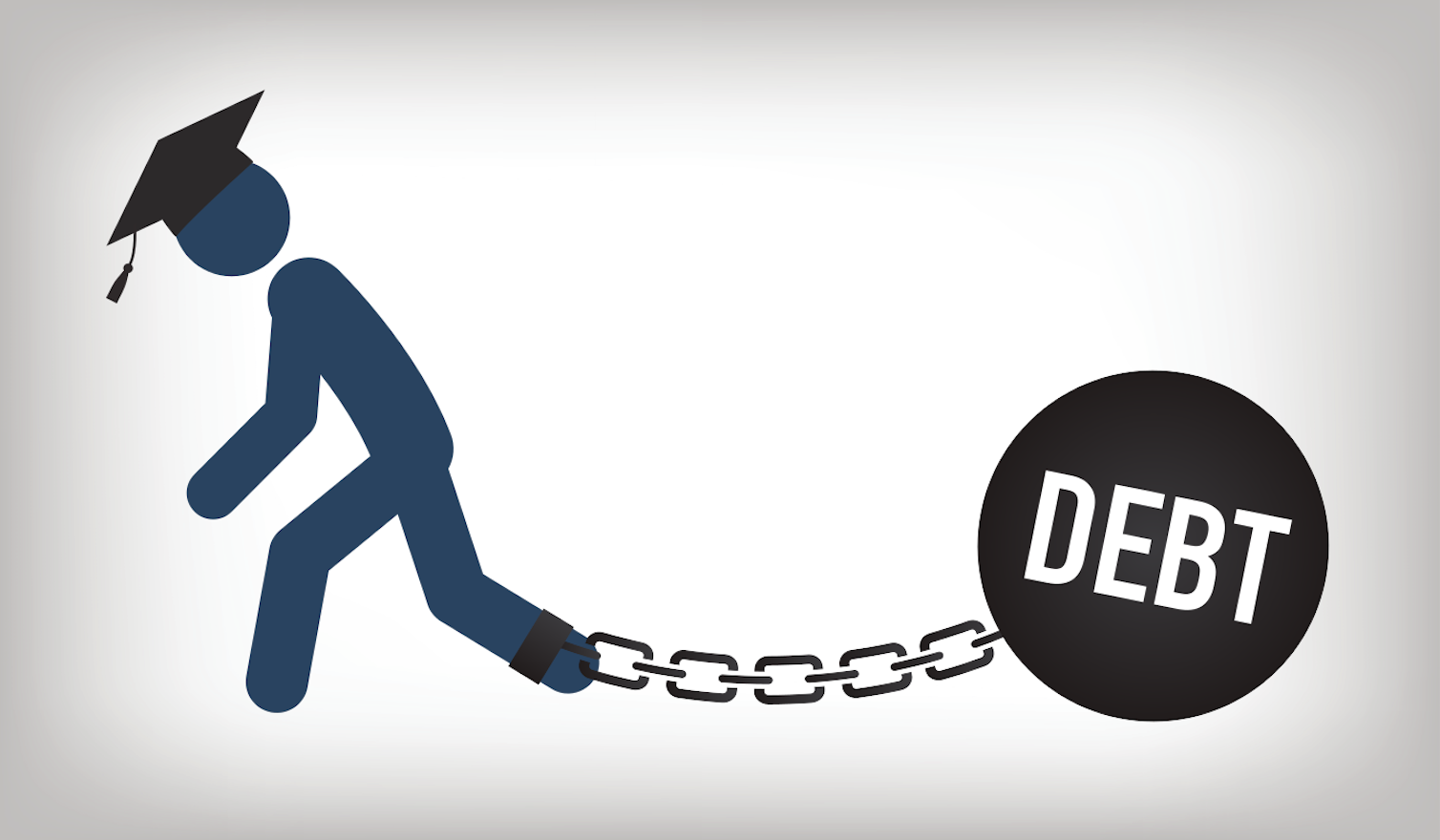
Student loan debt has become an alarming issue, burdening millions of individuals and hampering their financial well-being. If you're one of the many struggling with this overwhelming burden, you're not alone. The good news is that there are effective strategies you can adopt to tackle your student loan debt head-on and pave the way towards financial freedom. In this comprehensive guide, we will explore various approaches to help you navigate through the maze of student loans and ultimately achieve a debt-free future.
Understanding Student Loan Debt
Types of Student Loans
Student loans come in various forms, each with its own terms and conditions. Federal loans, such as Stafford loans and Perkins loans, are offered by the government and often have more favorable repayment options. Private loans, on the other hand, are obtained from banks or other financial institutions and may have higher interest rates and limited flexibility. Understanding the differences between these loan types is essential for managing your debt effectively.
Interest Rates and Accrued Interest
Interest rates play a significant role in determining the overall cost of your student loans. Federal loans typically have fixed interest rates, while private loans may have variable rates. It's important to understand how interest accrues and how it affects the total amount you owe. This knowledge will help you prioritize loan repayment and potentially save money in the long run.
Repayment Options and Grace Periods
When it comes to repaying your student loans, you have several options. Standard repayment plans involve fixed monthly payments over a set period. Graduated plans start with lower payments that increase over time. Income-driven plans base your monthly payments on your income and family size. Additionally, many loans offer a grace period after graduation, during which you don't have to make payments. Familiarizing yourself with these options will enable you to choose the best repayment plan for your circumstances.
Creating a Repayment Plan
Evaluating Your Financial Situation
Before creating a repayment plan, it's crucial to take stock of your financial situation. Calculate your income, expenses, and other debts to understand your overall financial health. This assessment will help you determine how much you can reasonably allocate towards student loan repayment.
Setting Realistic Goals
When creating a repayment plan, it's important to set realistic goals that are achievable within your means. Consider factors such as your income, expenses, and desired timeline for becoming debt-free. By setting clear and attainable goals, you'll stay motivated and on track throughout your repayment journey.
Prioritizing Loans and Strategies
If you have multiple student loans, it's essential to prioritize which loans to pay off first. Consider factors such as interest rates, loan balances, and repayment terms. Additionally, explore strategies such as the debt avalanche method (paying off the loan with the highest interest rate first) or the debt snowball method (paying off the loan with the smallest balance first). Choosing the right prioritization and strategy will help you make the most progress in reducing your debt.
Creating a Budget
Developing a comprehensive budget is key to successfully managing your student loan debt. Track your income and expenses, including essential and discretionary spending. Look for areas where you can cut back and allocate more funds towards loan repayment. A well-planned budget will ensure that you're maximizing your resources and making consistent progress towards your debt-free goal.
Exploring Loan Forgiveness Programs
Public Service Loan Forgiveness (PSLF)
The Public Service Loan Forgiveness program provides loan forgiveness to borrowers who work full-time for qualifying government or nonprofit organizations. This section will explore the eligibility criteria, required documentation, and the process of applying for PSLF. Understanding the requirements and taking the necessary steps can potentially lead to significant loan forgiveness.
Teacher Loan Forgiveness
Teachers may be eligible for loan forgiveness programs specifically designed for educators. This subsection will delve into the details of the Teacher Loan Forgiveness program, including the specific requirements and the amount of forgiveness available. Educators who meet the criteria can take advantage of this program to reduce their student loan burden.
Income-Driven Repayment Plan Forgiveness
Income-driven repayment plans, such as Income-Based Repayment (IBR) and Pay As You Earn (PAYE), offer loan forgiveness after a certain period of consistent payments. This part will explain the requirements for qualifying for forgiveness under these plans and the steps to pursue this option. Understanding the specific terms and conditions will help you determine if income-driven repayment forgiveness is a viable strategy for you.
Consolidation and Refinancing Options
Loan Consolidation
Consolidating your student loans involves combining multiple loans into a single loan, often with a fixed interest rate. This section will explore the benefits of loan consolidation, such as simplifying repayment and potentially lowering monthly payments. It will also provide guidance on the consolidation process and the factors to consider before deciding to consolidate.
Loan Refinancing
Refinancing your student loans involves obtaining a new loan with better terms, such as a lower interest rate or extended repayment period. This subsection will discuss the advantages and considerations of refinancing, including potential savings and the impact on loan benefits. Exploring refinancing options and understanding the potential trade-offs will help you make an informed decision.
Budgeting and Cutting Expenses
Tracking Your Expenses
Effective budgeting begins with tracking your expenses. This section will provide tips and tools for monitoring your spending, such as smartphone apps or budgeting spreadsheets. By identifying where your money is going, you can make informed decisions about where to cut back and save.
Identifying Discretionary Spending
Discretionary spending refers to non-essential expenses that can be reduced or eliminated to free up funds for loan repayment. This subsection will help you identify discretionary spending categories in your budget, such as dining out, entertainment, or shopping. It will also provide practical strategies for cutting back on these expenses without sacrificing enjoyment.
Exploring Cost-Saving Measures
Reducing your overall expenses can significantly boost your ability to pay off student loan debt. This part will explore various cost-saving measures, such as negotiating bills, finding cheaper alternatives for necessities, or taking advantage of discounts and coupons. By implementing these strategies, you can maximize your available funds for loan repayment.
Seeking Additional Income Sources
Part-Time Jobs and Gig Economy
Seeking additional income through part-time jobs or gig economy opportunities can provide a significant financial boost. This section will explore various options for part-time work, such as tutoring, freelancing, or driving for rideshare services. It will also provide insights on how to balance multiple jobs and leverage your skills for maximum earning potential.
Utilizing Your Talents and Hobbies
Monetizing your talents and hobbies can be an enjoyable way to earn extra income. This subsection will guide you in identifying marketable skills or creative pursuits that can be turned into income-generating activities. By leveraging your passions and talents, you can earn money while doing something you love.
Starting a Side Business
Entrepreneurship offers the potential for long-term financial success. This part will provide guidance on starting a side business, including choosing a viable business idea, creating a business plan, and managing the financial aspects. By venturing into entrepreneurship, you can generate additional income and potentially achieve financial independence.
Seeking Professional Assistance
Financial Advisors
Financial advisors specialize in helping individuals navigate complex financial situations, including student loan debt. This section will discuss the benefits of seeking advice from a financial advisor, such as personalized strategies and expert guidance. It will also provide tips on finding a reputable advisor and preparing for a productive consultation.
Student Loan Counselors
Student loan counselors specialize in assisting borrowers with managing their student loans. This subsection will explain the role of a student loan counselor, including reviewing your loan options, assisting with repayment plans, and providing guidance on forgiveness programs. Seeking help from a student loan counselor can ensure that you are making informed decisions and taking advantage of all available resources.
Managing Emotional Stress
Understanding the Emotional Impact
Dealing with student loan debt can cause emotional stress and anxiety. This section will explore the common emotional challenges faced by borrowers and validate the feelings associated with debt. It will provide reassurance that you are not alone in your experiences and offer strategies for managing emotional stress effectively.
Self-Care and Stress Management
Practicing self-care and stress management techniques are essential for maintaining your emotional well-being throughout the debt repayment journey. This subsection will provide tips on self-care activities, such as exercise, mindfulness, and connecting with loved ones. It will also discuss stress management techniques, including time management and setting realistic expectations.
Building a Support Network
Having a strong support network can provide invaluable emotional support during challenging times. This part will guide you in building a support network by reaching out to friends, family, or online communities. It will emphasize the importance of surrounding yourself with individuals who
Building a Support Network
Having a strong support network can provide invaluable emotional support during challenging times. This part will guide you in building a support network by reaching out to friends, family, or online communities. It will emphasize the importance of surrounding yourself with individuals who understand your journey and can offer encouragement, advice, and empathy.
Seeking Professional Help
If you find that your emotional stress is overwhelming or impacting your daily life, it may be beneficial to seek professional help. This subsection will discuss the benefits of therapy or counseling in managing stress and anxiety related to student loan debt. It will provide resources for finding mental health professionals who specialize in financial stress and debt-related issues.
Staying Motivated and Inspired
Celebrating Small Victories
Staying motivated requires recognizing and celebrating the progress you make along the way. This section will emphasize the importance of celebrating small victories, such as paying off a portion of your loan or meeting a savings goal. It will provide suggestions for rewards or treats to give yourself as a way to acknowledge your hard work and dedication.
Visualizing Your Debt-Free Future
Visualization is a powerful tool for staying motivated and inspired. This subsection will guide you in creating a vision board or visual representation of your debt-free future. It will encourage you to imagine the financial freedom and opportunities that await you once your student loan debt is paid off. By visualizing your goals, you can stay focused and determined to achieve them.
Seeking Inspiration from Others
Drawing inspiration from others who have successfully overcome student loan debt can provide a much-needed boost. This part will showcase success stories and testimonials from individuals who have paid off their loans and achieved financial freedom. Hearing about their journeys and learning from their strategies can inspire you to persevere and stay committed to your own debt repayment goals.
Long-Term Financial Planning
Investing for the Future
Once you've successfully tackled your student loan debt, it's important to shift your focus to long-term financial planning. This section will provide an overview of investment options, such as stocks, bonds, and retirement accounts. It will emphasize the importance of starting early and seeking professional advice to make informed investment decisions.
Saving for Retirement
Planning for retirement is a crucial aspect of long-term financial stability. This subsection will discuss the importance of contributing to retirement accounts, such as 401(k)s or IRAs, and taking advantage of employer matching programs. It will provide strategies for maximizing your retirement savings and ensuring a comfortable future.
Setting New Financial Goals
With your student loan debt behind you, it's time to set new financial goals. This part will encourage you to think about your dreams and aspirations, whether it's buying a home, starting a business, or traveling the world. It will guide you in setting specific, measurable, achievable, relevant, and time-bound (SMART) goals to continue building wealth and achieving financial success.
In conclusion, student loan debt may seem insurmountable, but with the right strategies and mindset, you can overcome this financial hurdle. By understanding the intricacies of student loans, creating a personalized repayment plan, exploring forgiveness programs, and adopting effective budgeting and income strategies, you can pave the way towards a debt-free future. Remember, seeking professional guidance, managing your emotional well-being, and staying motivated are equally important in this journey. Stay focused, celebrate small victories, and visualize your debt-free future. With determination and perseverance, you will not only conquer your student loan debt but also achieve long-term financial freedom.
Comments
Post a Comment